



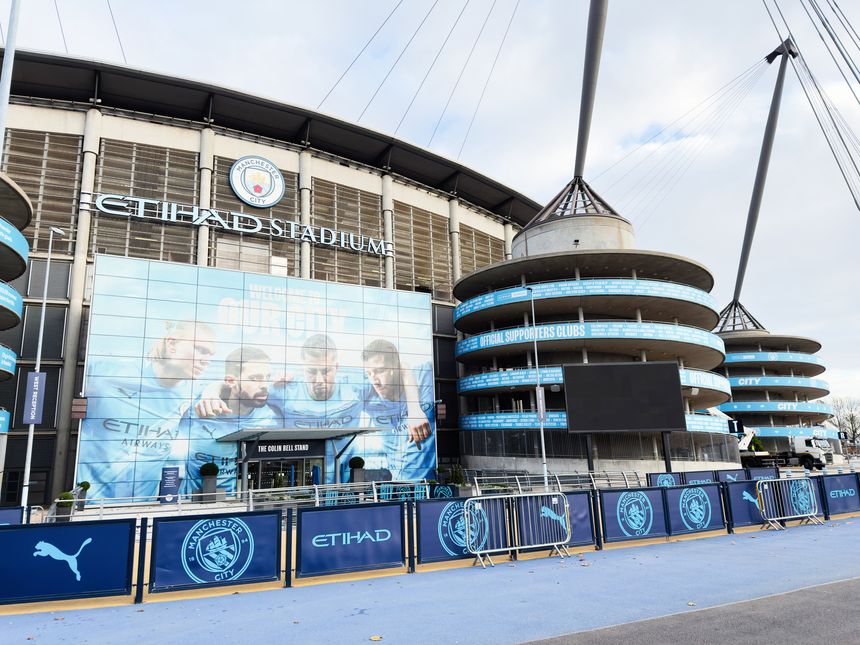

The Premier League has published both its long awaited statement on the Manchester City proceedings and the redacted Core Decision of the independent Commission that has spent years examining the allegations against the club. Together, they provide the first detailed public account of what the Premier League itself has described as the most significant disciplinary case in its history.
The findings are extraordinary. Following an investigation that began in 2018 and a 42 day hearing involving millions of documents, extensive witness evidence and expert testimony, the Commission found Manchester City guilty of almost all of the charges brought against it. It concluded that the club operated what it termed a "Disguised Funding Scheme", that a number of sponsorship arrangements were "shams" or failed to reflect their true economic substance, that the club's financial statements did not provide a true and fair view of its financial position and that the club had "clearly intended to circumvent the PL Rules". The Commission also found that the club made "concerted efforts to stop and frustrate" the Premier League's investigation.
According to the Premier League, the effect of these arrangements was to inflate revenues and reduce costs by more than £900 million over a nine season period. The Commission found that more than £830 million had been wrongly recorded as income and that substantial liabilities and expenses were excluded from the club's accounts. The next procedural steps remain uncertain. The Commission must determine the appropriate sanction, while Manchester City retains the right to appeal both the findings and any sanction imposed. Whether the sanctions process will proceed, or any sanction will take effect, while an appeal is pending may itself become contested. Whatever happens next, the publication of the decision already feels like a pivotal moment in the history of English football.
At one level, the proceedings concerned sponsorship agreements, financial statements and compliance with financial regulations. Yet they came to represent a much larger question that has hovered over football for years: whether the game's regulators still possess meaningful authority over its most powerful clubs.
Manchester City's rise sits at the heart of that story. The Commission's own account begins with a club that had spent years outside English football's elite and was loss making when acquired by Abu Dhabi United Group in 2008. What followed was one of the most dramatic transformations in sporting history. Manchester City became serial champions, attracted some of the best players and coaches in the world and established itself as one of football's dominant institutions.
That transformation mirrored wider changes within the game. Football became richer, more global and increasingly concentrated around a small number of elite clubs backed by extraordinary wealth. As revenues grew and ownership structures became more sophisticated, many began to wonder whether traditional regulatory systems were capable of policing organisations of such scale and influence.
The Manchester City proceedings became the ultimate test of that proposition.
The scale of the case explains why. The Commission records that millions of documents were searched during disclosure, witness statements ran to hundreds of pages and experts gave evidence on issues ranging from accountancy standards to sponsorship valuation and governance. The hearing lasted 42 days and generated approximately 7,000 pages of transcript.
For years, there was a perception that football's most successful clubs had accumulated so much influence, wealth and strategic importance that meaningful enforcement against them had become almost impossible. The Manchester City case became a referendum on that idea. If the Premier League failed, critics would argue that football's governing structures had become subordinate to the institutions they purported to regulate. Instead, after years of investigation and litigation, the Commission delivered overwhelmingly favourable findings for the Premier League and rejected Manchester City's challenges to both the proceedings and the investigation. The club’s criticisms of the process may continue, but the Premier League Rules gave both parties an opportunity to object to the appointment of members of the Commission, which was composed of lawyers subject to professional duties.
That is why the decision matters beyond the specific allegations. It represents a rare moment in which a regulator has tested its authority against one of the most powerful participants in its ecosystem and emerged successfully.
The determination of sanctions may ultimately dominate the headlines, while any appeal could reshape the legal and regulatory landscape. Questions about the sequencing and immediate effect of those processes may generate a further contest over the Premier League’s authority. Nevertheless, the central question that has hung over English football for almost a decade has now received at least a preliminary answer.
For all the debate about sponsorship agreements, financial reporting and regulatory compliance, this case was ultimately about power. The publication of the Commission's decision is significant because it demonstrates that, at least for now, football's biggest clubs remain subject to the authority of the institutions that govern the game.
Sources:
Premier League Statement: Manchester City FC
Premier-League-Manchester-City-independent-Commission-Redacted-Core-Decision.pdf
/Passle/57b2e0b63d947408fcc6e4e6/SearchServiceImages/2026-07-23-14-31-13-036-6a6225b1970af4e6c8a84ab6.jpg)
/Passle/57b2e0b63d947408fcc6e4e6/SearchServiceImages/2026-05-22-10-21-54-069-6a102e421a1fd2238dccf706.jpg)
/Passle/57b2e0b63d947408fcc6e4e6/SearchServiceImages/2025-10-21-10-59-00-260-68f76774e76526bbfaa5afe3.jpg)